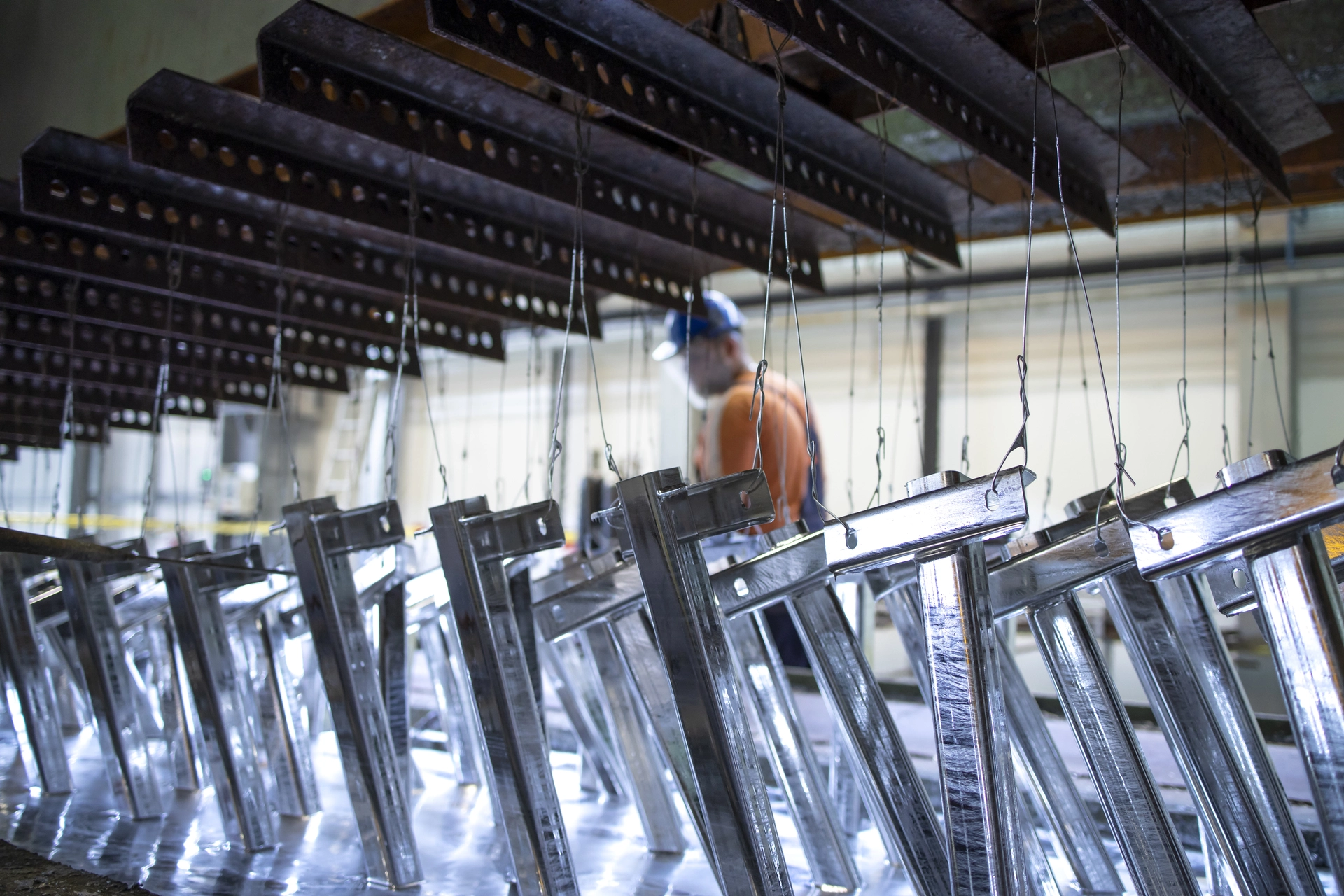
Start with where the part will live, not with the price per kilogram. A dry indoor machine frame is a different problem from a washdown bay in a food plant, a duct carrying warm moist air, or a handrail near the coast. Stainless 304 covers most food and washdown duty, and 316 is the honest upgrade where chlorides, cleaning chemicals or salt spray are present. Galvanized sheet is cost-effective outdoors, but every cut edge and weld has to be sealed again. Aluminum shrugs off many atmospheres, yet it corrodes quickly when bolted directly against steel and left wet. Ask what the part touches, what cleans it and what it sits in; that short list rules out more materials than a strength calculation ever will.
Next, size the section for the load and confirm the shop can form it. Mild steel is cheap, stiff and forgiving to weld, which is why it carries most frames, guards and brackets. Higher-strength grades save thickness, but thinner sheet distorts more under heat and needs generous bend radii. Aluminum weighs about a third of an equivalent steel section and cuts fast, yet it springs back further on the press brake, so bend allowances come from trial pieces rather than assumptions. Stainless work-hardens as it forms, and a tight radius that is comfortable in mild steel can crack in 304. Where weight matters — a gantry cover, a moving guard — the lighter material usually pays for itself in handling and frame size.
Then think about how it will be joined and finished. Welding galvanized sheet burns the zinc coating away and releases fume that has to be extracted, so the joint is usually dressed back and re-protected with a zinc-rich primer. Stainless welds need cleaning and passivation to restore corrosion resistance, and ordinary carbon steel tooling can leave contamination that rusts weeks later. Where aluminum meets steel, isolate the joint with a gasket or nylon washers and keep water from standing in it. Powder coating is durable on steel, but it will not hide a rough weld or a sharp edge, and a galvanized finish should never be cut and left bare on a part that sees weather.
Finally, compare materials on total cost of ownership rather than on the quote line. A 316 enclosure costs more than a painted mild steel box, but less than replacing that box every four years in a chemical plant. Where the environment is genuinely benign, painted mild steel is the right answer; over-specifying is its own kind of waste. Write the service conditions on the drawing — moisture, temperature, cleaning regime, contact with food or chemicals — and let the fabricator propose a material instead of guessing. Send the assembly, not only the part, so plate thickness and bend allowances are checked against what the part has to fit. A fixed price follows a drawing review and should not move afterwards.

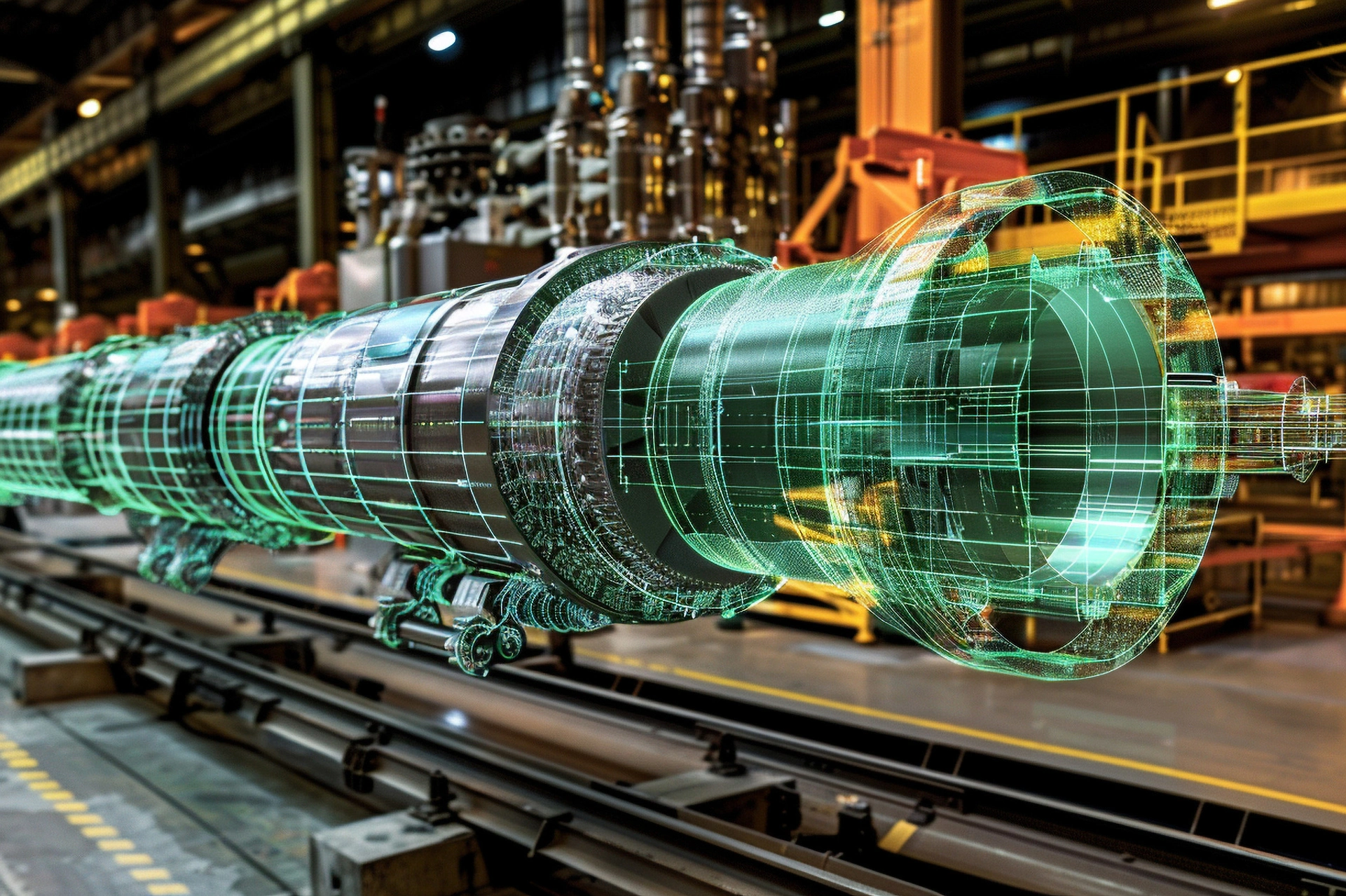
From hand tools and layout marks to CNC cutting and digital models — how the trade changed, and what stayed the same.
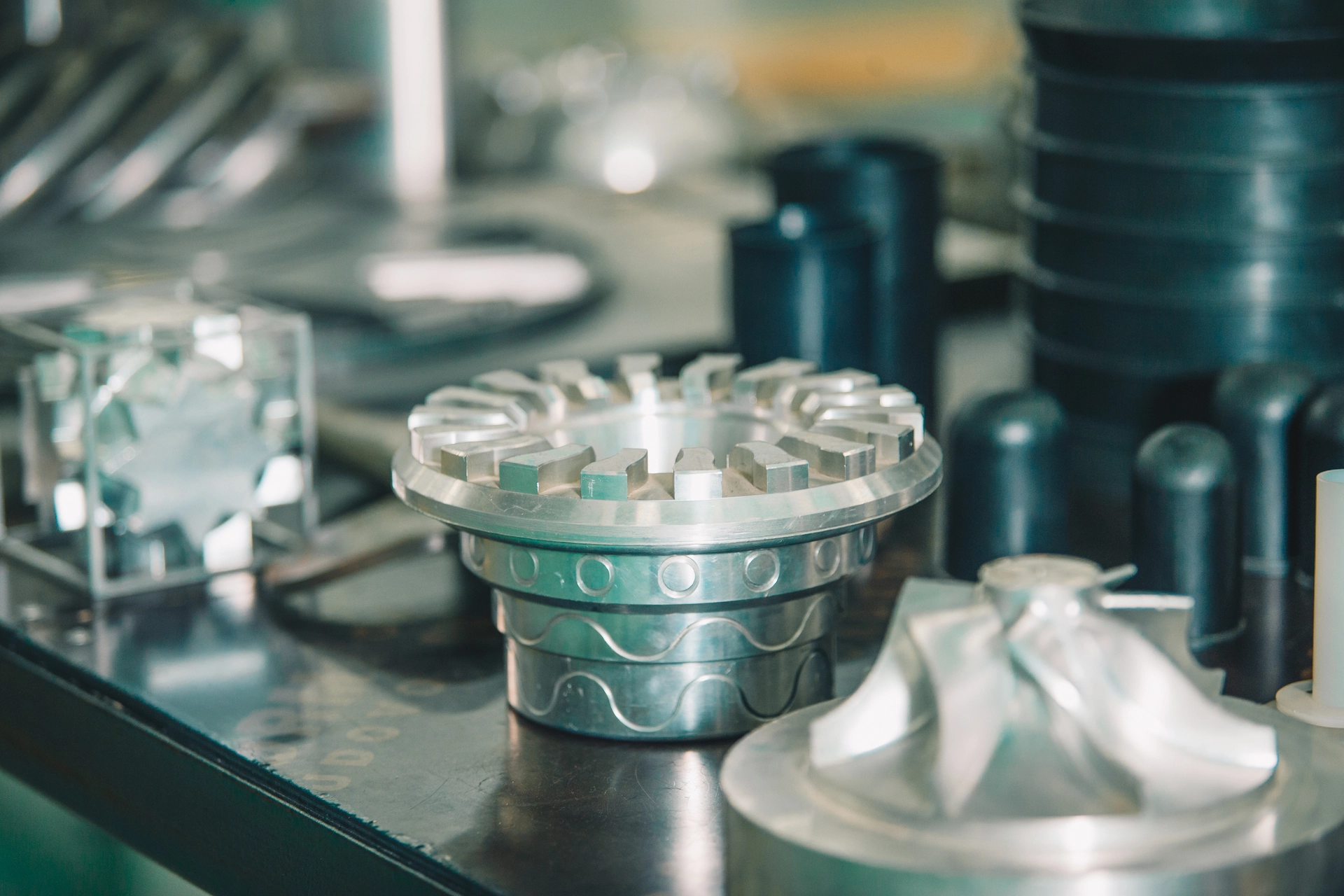
Scrap sorting, smarter nesting and better coating choices: the practical changes that cut waste in a fabrication shop.
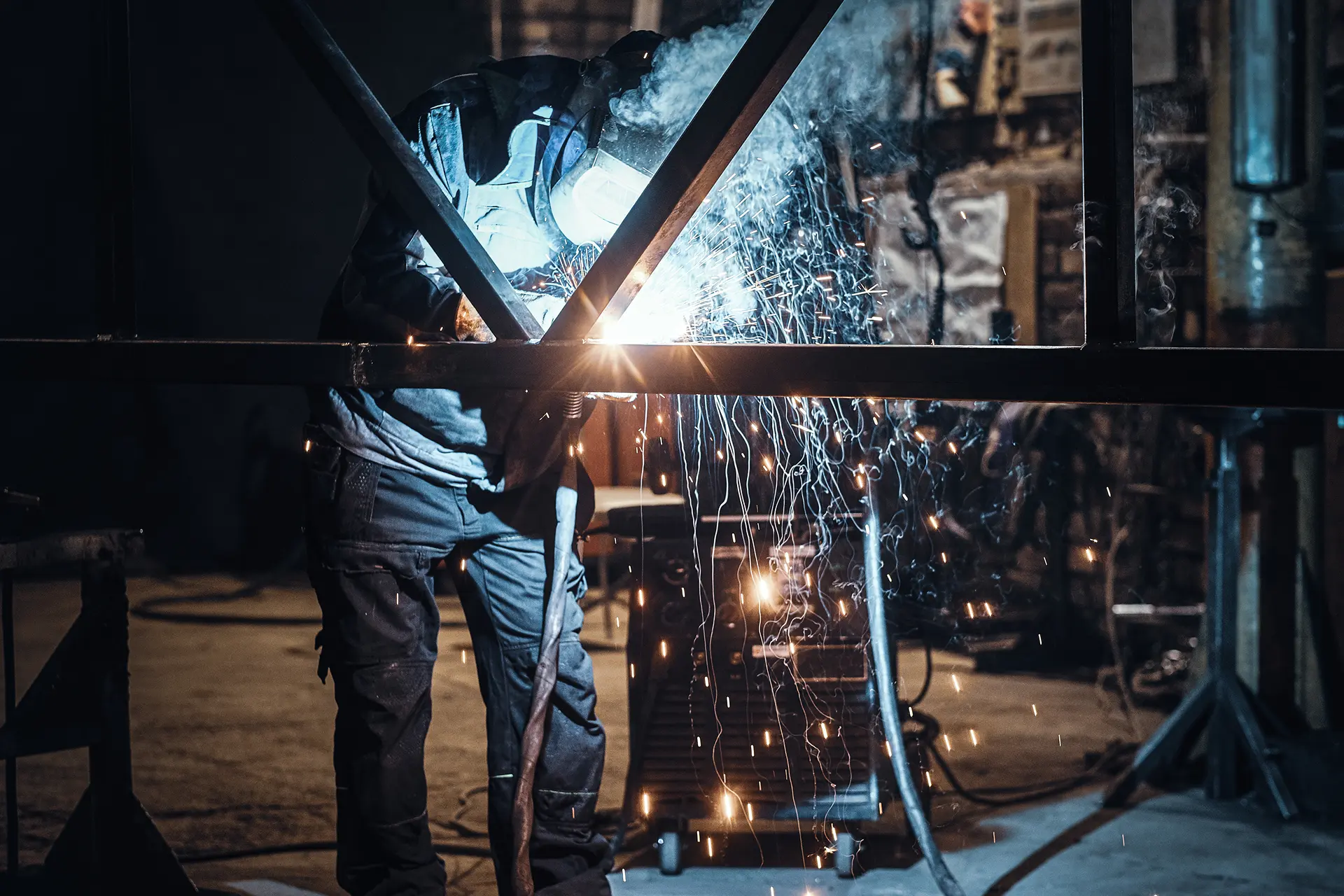
The shop-floor habits that keep output predictable when the schedule tightens: kitting, maintenance, feedback and clean handovers.
Send us your drawings, quantities and delivery date. We will come back with a clear scope, a fixed price and a production slot — no guesswork, no hidden extras.



