Metal fabrication has always been a trade of measurement and force, and that has not changed. Early workshops laid out work with dividers, chalk and a scribe, cut sheet with hand shears and formed it over a stake before joining it with rivets or a forge weld. Production depended entirely on the skill of the person holding the tool, and repeatability meant making a pattern and copying it carefully. Plenty of repair work is still done that way, because for one bracket a pattern and a hammer are faster than a program and a setup sheet.
Mechanisation changed the scale. Power shears, press brakes and motor-driven rolls removed most of the effort, and arc welding at the start of the twentieth century replaced riveted joints with faster, stronger ones. Mass production pushed standardisation: standard sections, standard hole patterns, standard fasteners. A workshop could then build the same cabinet or frame a hundred times and expect the hundredth to fit the first. What it still could not do was change a design quickly, because every revision meant new jigs and new layout work on the floor.
Computer control altered that constraint. CNC cutting tables, press brakes, and plasma and laser machines work from a file rather than a paper pattern, so a revision costs a new program and a test part rather than a day of layout. Nesting software fills a sheet far more efficiently than a person with a marking pen, and a laser's narrow kerf holds a tolerance hand tools cannot approach. The practical effect is that a small shop can now take on accurate, repeatable work that used to require a much larger factory.
Welding followed the same path. MIG and TIG made consistent joints achievable across a wider range of thicknesses and materials, synergic controls took some of the judgement out of setting voltage and wire feed, and robotic cells now handle high-volume repeated welds inside a fixture. What has not changed is that preparation decides quality: a robot welding a badly fitted joint produces a bad weld faster. The last ten percent of most jobs is still a fabricator with a grinder, a square and a feel for what the metal is doing.
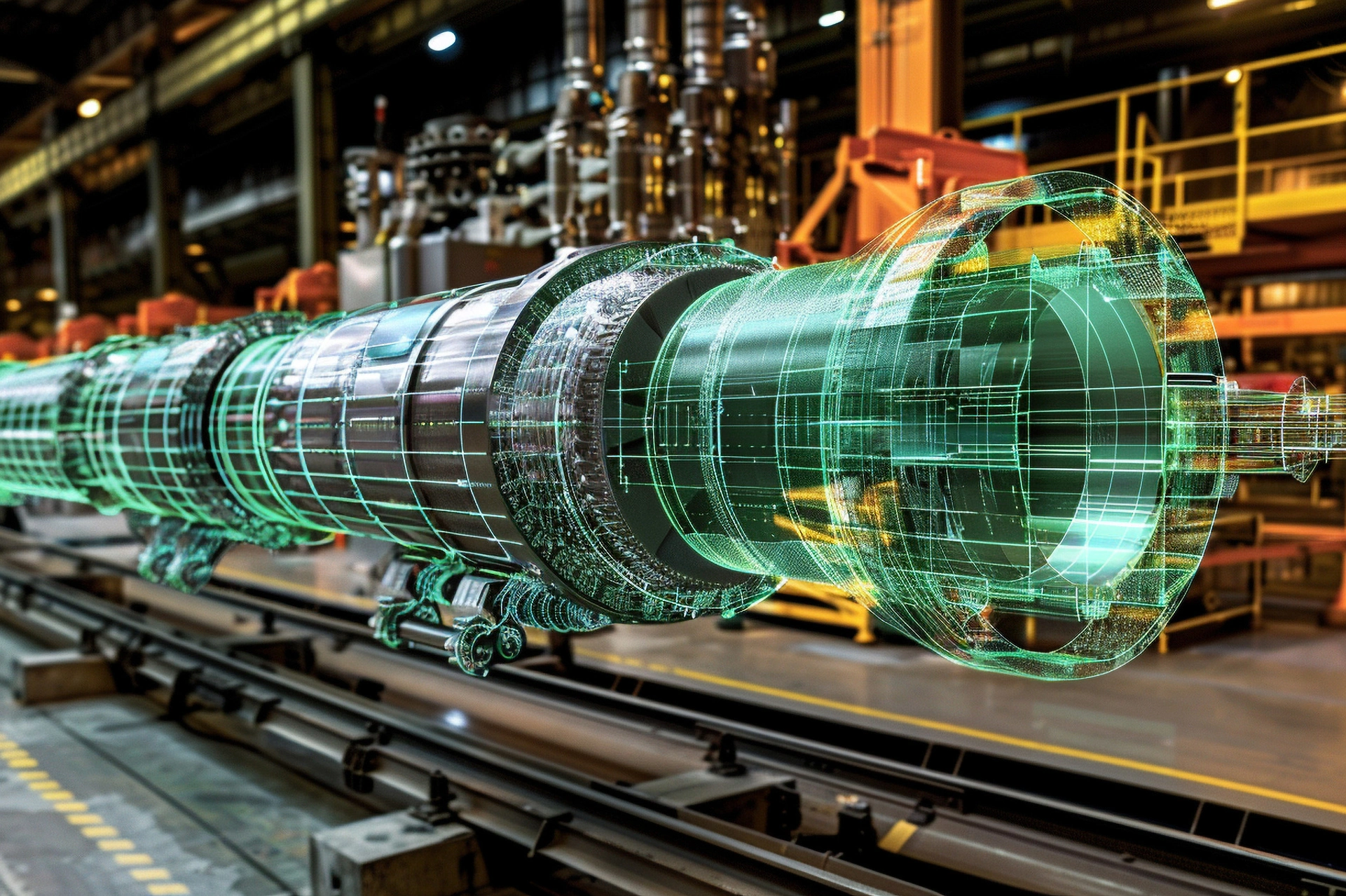
The direction of travel is simulation and integration. Software predicts how a part will spring back or distort, quoting systems read a model instead of a drawing, and cutting is planned against material availability and machine capacity. That sounds like a fully automated trade, and it is not. Modern fabrication works best when digital accuracy in the first ninety percent is handed to people who can judge the last ten — which is why the trade's core skill, reading a drawing and knowing how the metal behaves, still decides the result.

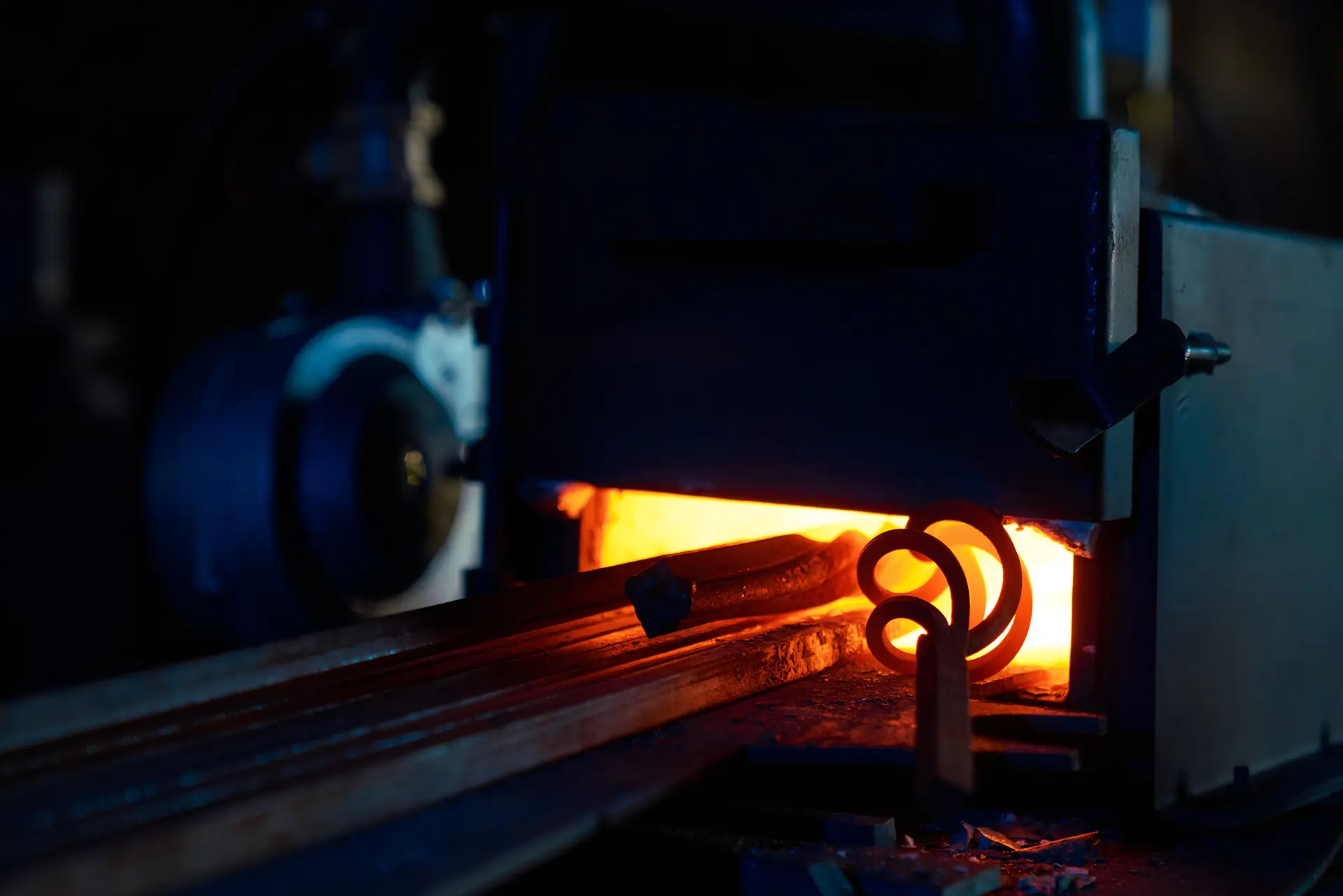
The difference rarely shows in the quote. It shows in the drawing review, the weld prep, the inspection records and the install crew.
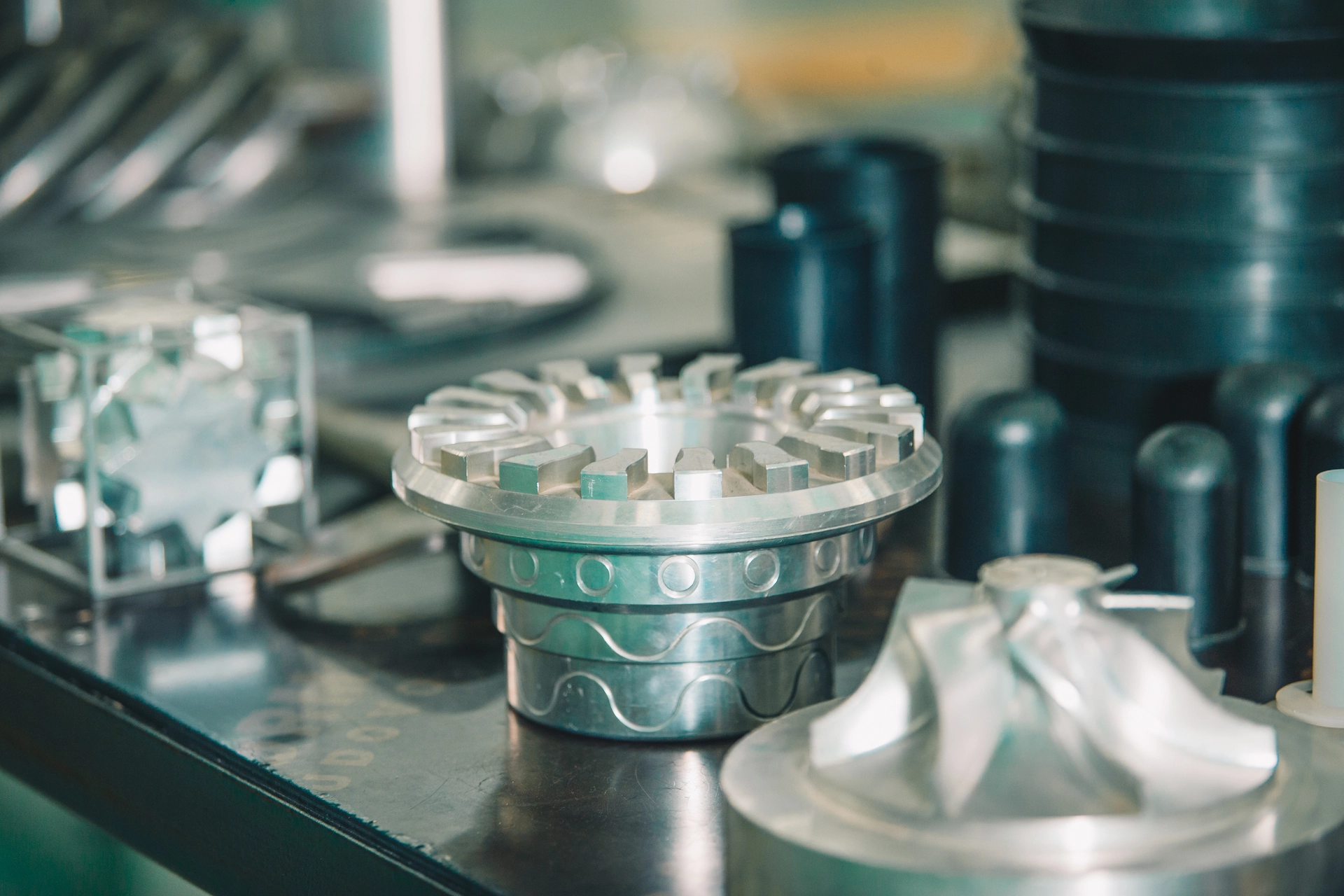
Scrap sorting, smarter nesting and better coating choices: the practical changes that cut waste in a fabrication shop.
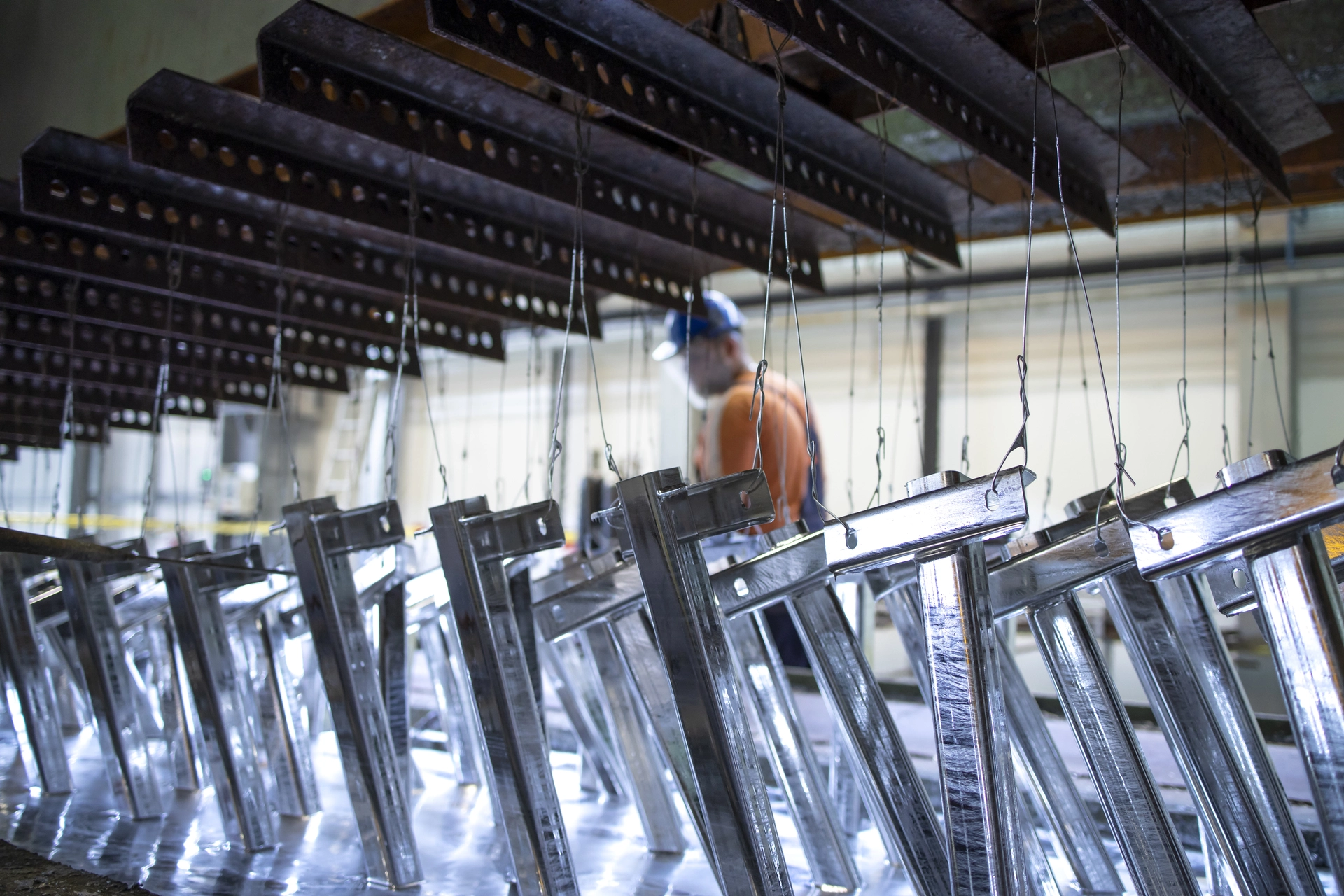
Mild steel, stainless, aluminum or galvanized sheet — how to pick a material that suits the environment, the load and the budget.
Send us your drawings, quantities and delivery date. We will come back with a clear scope, a fixed price and a production slot — no guesswork, no hidden extras.



