Most of the difference appears before any steel is cut. A shop that reads the drawing properly will come back with questions: which surface is the datum, how tight is the tolerance on that hole pattern, whether the plate is available in the width you asked for, and whether that weld symbol is meant to be full penetration. That conversation is not friction; it is the cheapest error correction available. A price built on assumptions has to be recovered somewhere, and it is usually recovered through variations, delays or silent compromises that only appear at installation, when the line is already stopped.
Good shops also review material before they order it. They check that the section is in stock or obtainable, that the bend radius suits the thickness, and that the welded assembly can actually be built in the sequence shown. Where details are missing, they propose one instead of quietly bending something that fits badly. On the floor, that discipline looks unremarkable: cut lists checked against the nest, parts labelled by assembly, offcuts returned to a rack instead of a pile in the corner, and gas and consumables ordered before the job starts rather than halfway through it.
Inspection is the other clear tell. A reliable fabricator measures the first part before running the rest — dimensions, square, hole positions, bend angles — and records what was measured while the job is still live. Welds are prepared properly, cleaned between passes where the procedure asks for it, and dressed where the drawing calls for it. Material certificates stay with the job file, so a maintenance team can trace what went into a critical bracket a year later, long after the invoice has been paid and filed. Photographs of the assembly at tack-up cost nothing to keep and settle most arguments.
Then comes the part clients value late: installation. Crews who built the work understand where the shims go, which holes must be drilled on site, and how to sequence the job so production restarts on the promised date. Handover should include as-built notes, torque values where they matter, and the finish specification so the maintenance team can touch up a scratch correctly. The same team should still be reachable for planned maintenance, spares and small modifications, with the drawings on file and the site history understood rather than rediscovered.
You can test most of this before you commit. Ask how drawings are reviewed, ask what happens when a dimension conflicts with a site condition, ask who will install the result and who answers the phone six months later. Ask to see inspection notes from a recent job. A shop that answers plainly and shows its paperwork is usually the one whose price you will not have to revisit. The cheapest quote in a tender is rarely the cheapest job once rework, downtime and delays are counted.

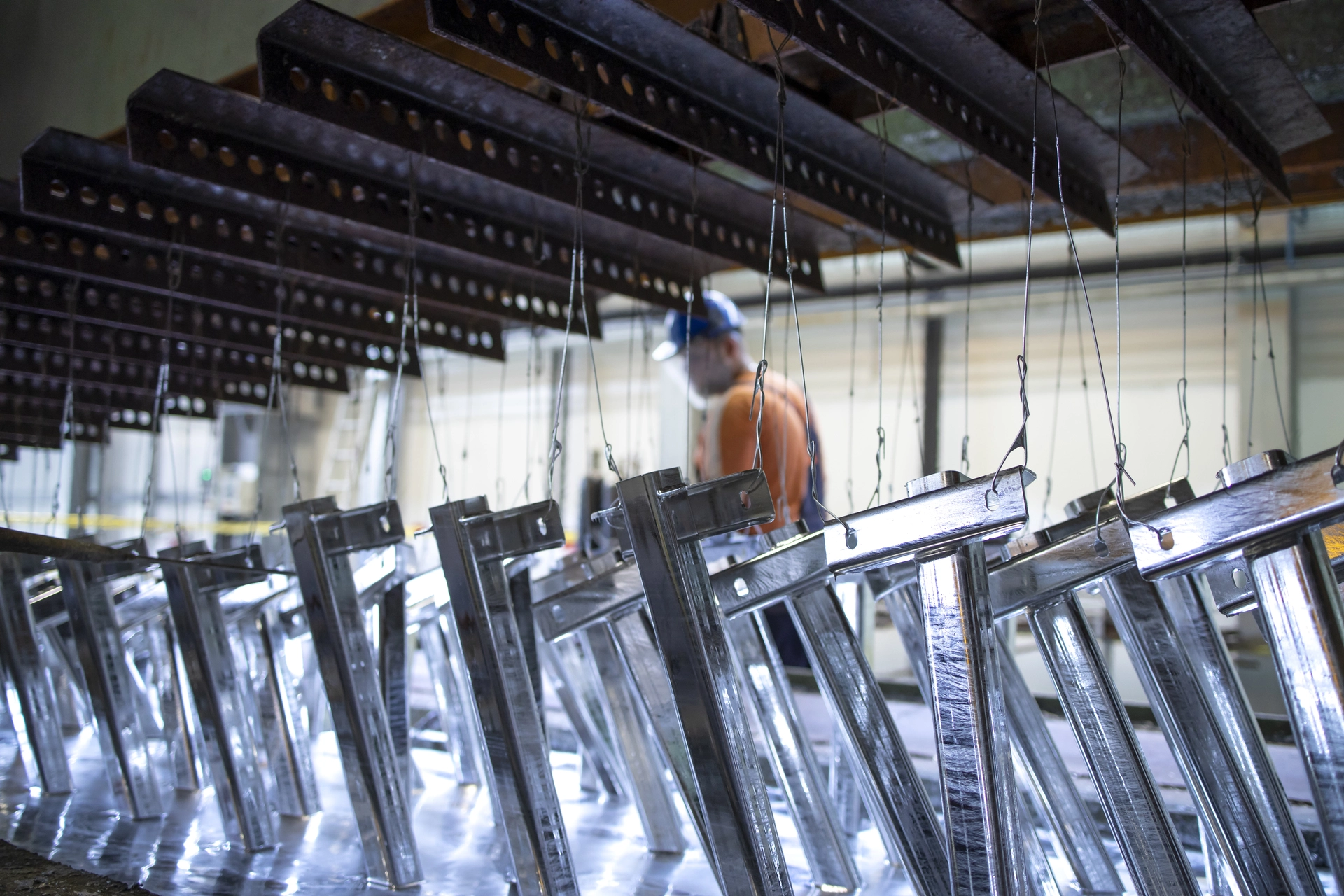
Mild steel, stainless, aluminum or galvanized sheet — how to pick a material that suits the environment, the load and the budget.
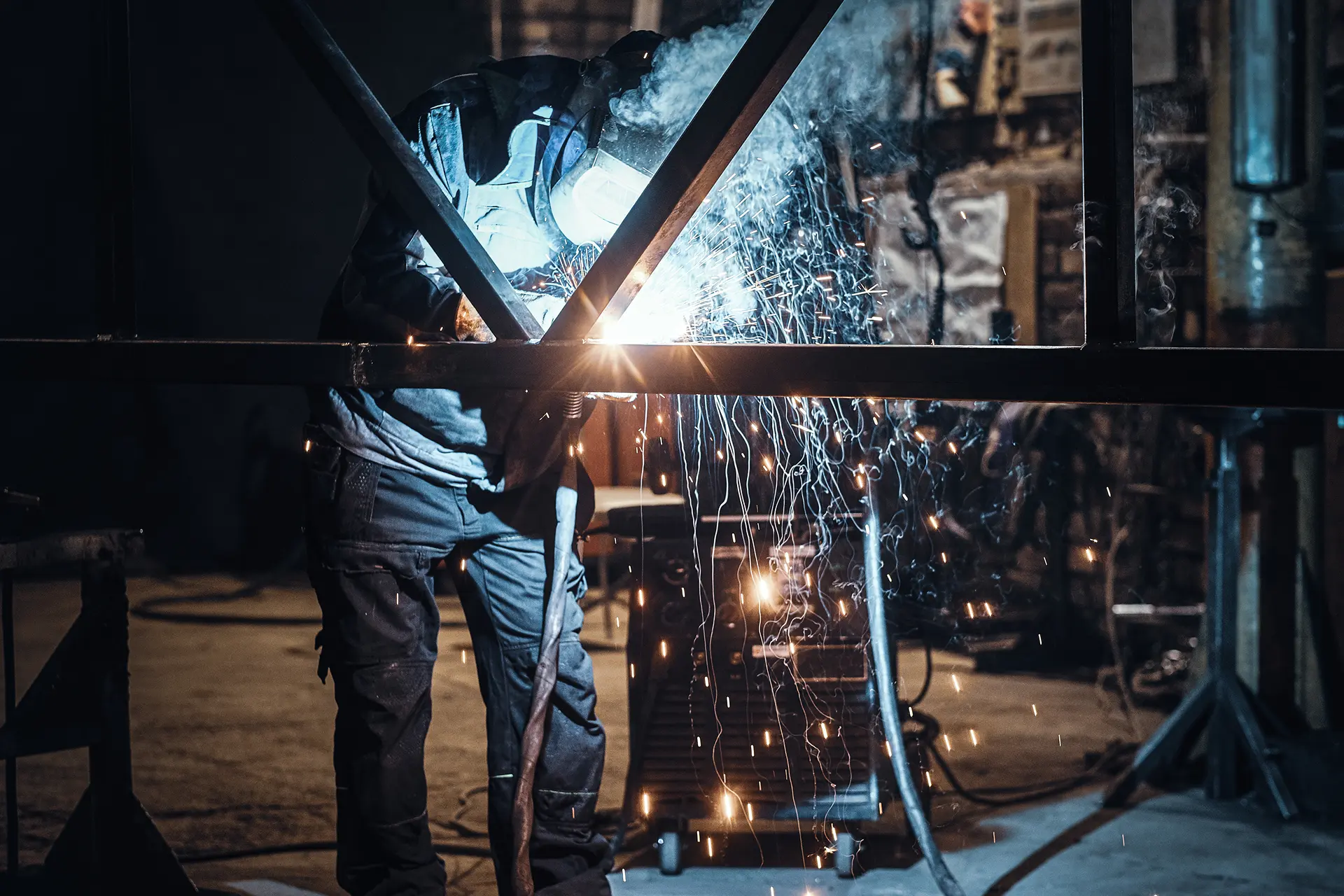
The shop-floor habits that keep output predictable when the schedule tightens: kitting, maintenance, feedback and clean handovers.
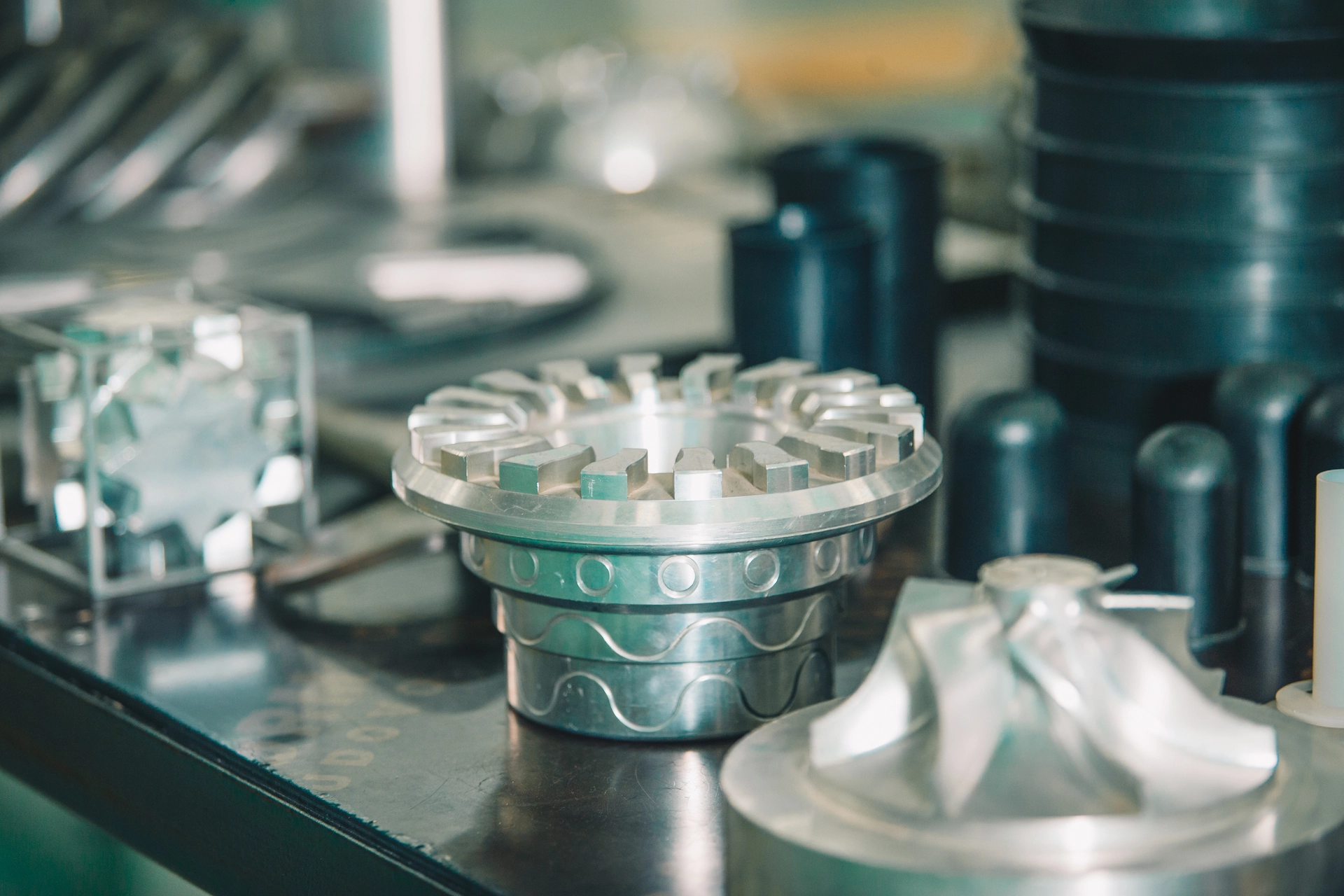
Scrap sorting, smarter nesting and better coating choices: the practical changes that cut waste in a fabrication shop.
Send us your drawings, quantities and delivery date. We will come back with a clear scope, a fixed price and a production slot — no guesswork, no hidden extras.



