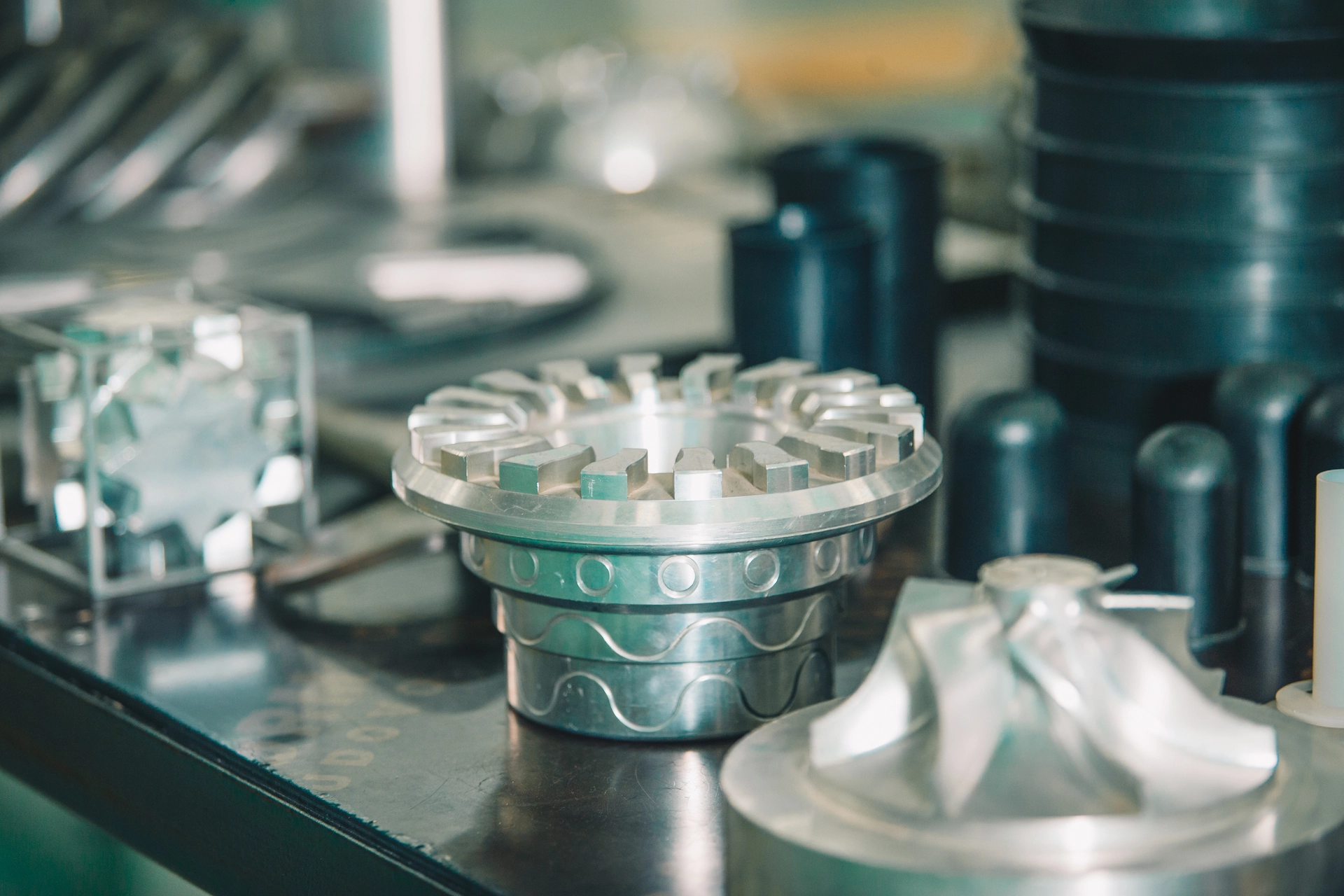
Sustainability in a fabrication shop is mostly a waste audit with better accounting. Every square meter of sheet that is bought and not used has already been paid for twice — once as material, once as storage or disposal. Sorting scrap by grade, keeping an offcut rack near the shear and buying sheet sizes that match the nest rather than the habit of the last job are unglamorous changes that show up in the accounts within a quarter. None of them need new equipment, and all of them reduce what leaves the gate as waste. The first step is simply weighing it: a shop that knows its scrap rate can argue about it with numbers.
Design decisions carry more weight than shop decisions. A part designed so it can be cut from standard sheet without a long offcut saves material before fabrication begins, and a bolted assembly can be dismantled and reused where a fully welded one becomes scrap. Coating choices matter too: galvanizing and powder coating add service life, which is usually the largest environmental saving available, because a component that lasts fifteen years spreads its manufacturing impact across fifteen years of use. Over-specifying material is also waste — 316 where 304 would last is money and alloy thrown at a problem that does not exist.
Energy is the other visible cost. Compressor leaks, extraction left running, welding sets idling between jobs and lighting on empty bays are all easy to fix and rarely fixed, because nobody is billed for them directly. A short walk with a clamp meter and a leak detector usually finds more than a formal energy project, and the money saved is immediate. Cutting and forming machines are most efficient when they run a planned sequence instead of being switched between jobs at random. Even the humble workshop layout matters: a sensible material flow means fewer forklift trips and less sheet damaged in handling. The cheapest kilowatt is the one you never draw, and it is usually found on a Friday walk-round rather than in a capital plan.
On a ductwork replacement for a process plant, the lasting saving came from making the sections modular. Standard lengths, bolted flanges and the same finish used elsewhere meant damaged sections could be replaced individually instead of rebuilding a whole run. It cost slightly more per meter up front and will pay that back the first time a section is dropped, corroded or needs a modification. Practical sustainability is usually durability plus repairability, not a new material or a badge on the wall — and a part that can be repaired on a Sunday night is a part that does not become scrap.

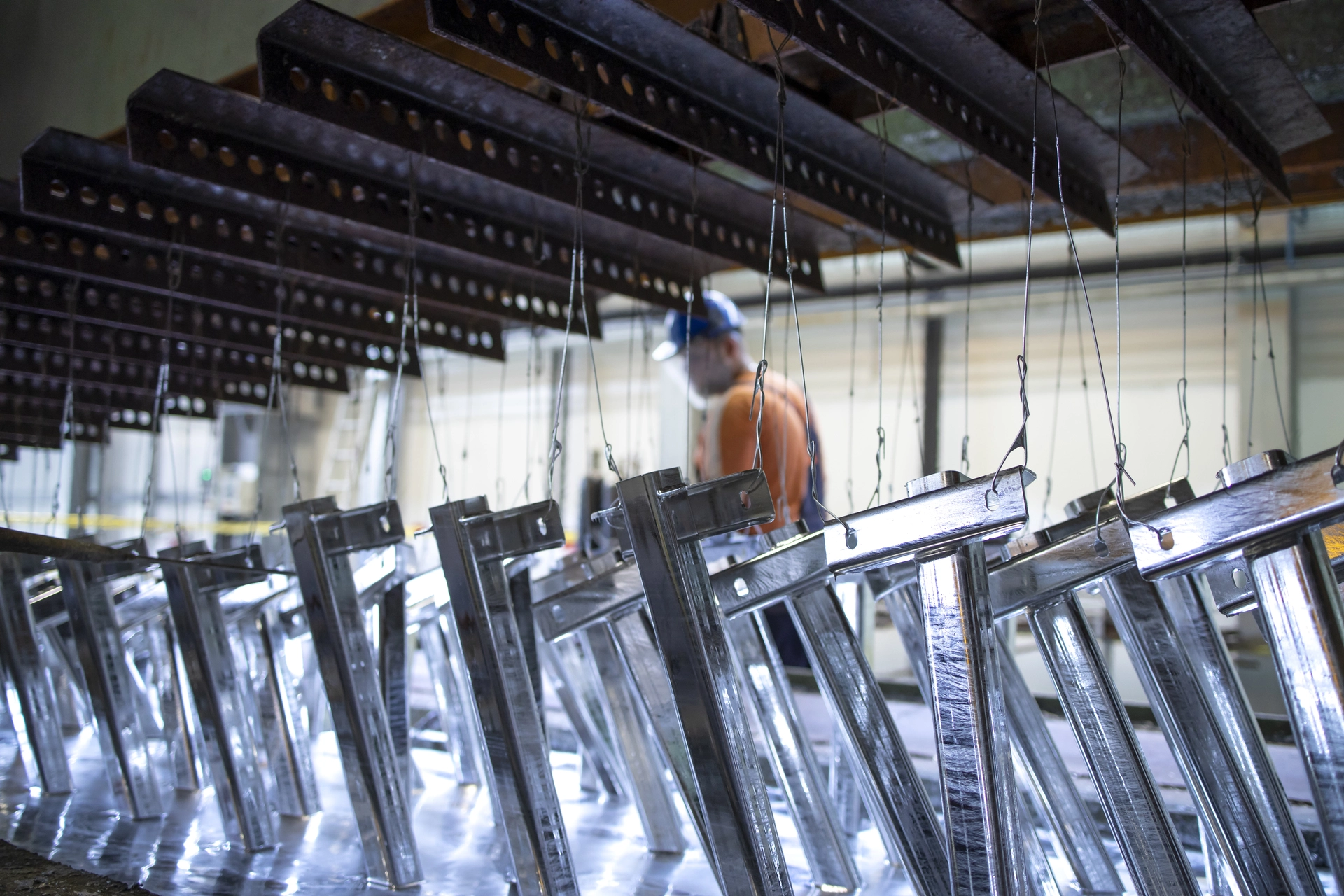
Mild steel, stainless, aluminum or galvanized sheet — how to pick a material that suits the environment, the load and the budget.
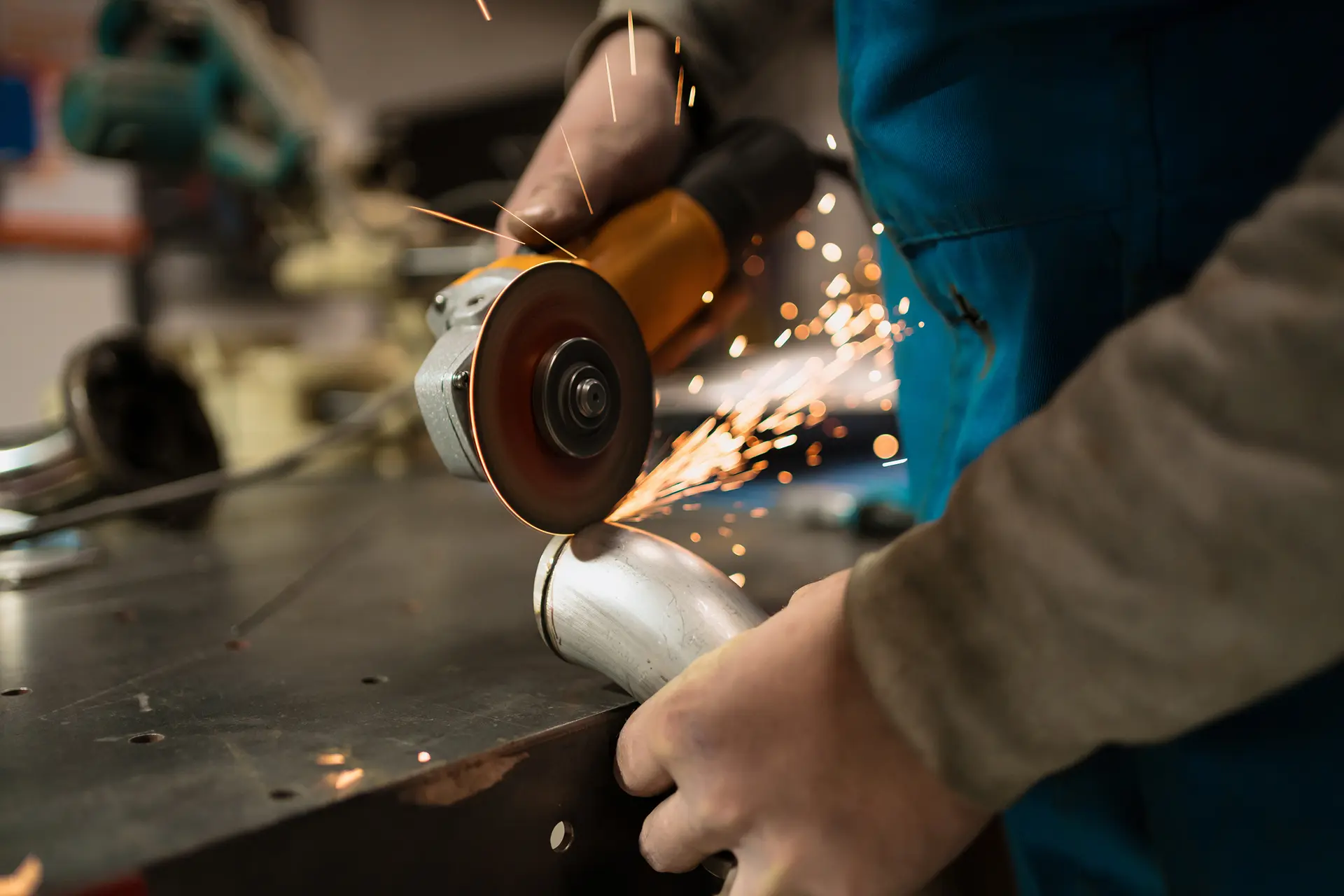
A two-millimeter error at the bench becomes a week of downtime on site. Where tolerance is won or lost, and how to check it.
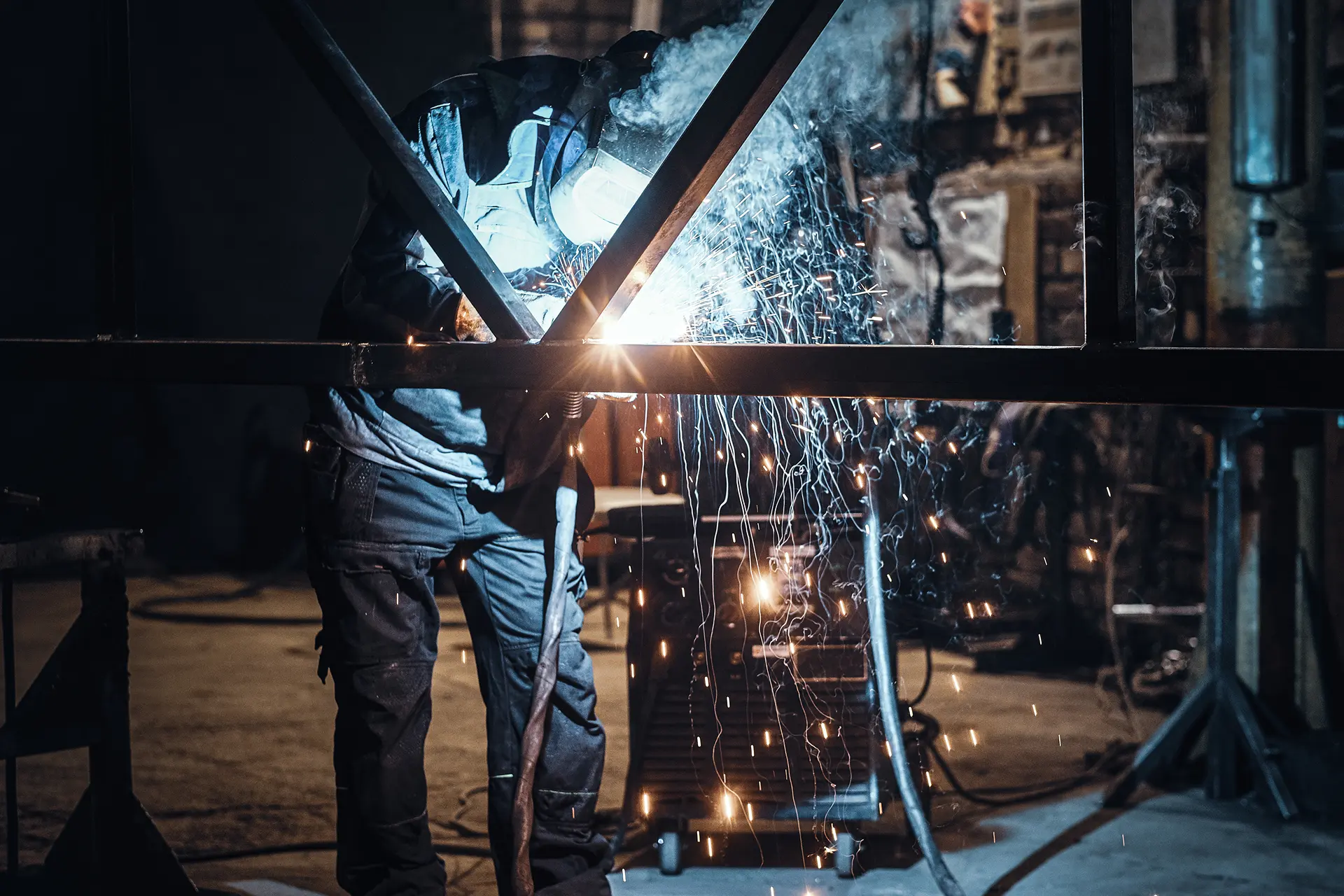
The shop-floor habits that keep output predictable when the schedule tightens: kitting, maintenance, feedback and clean handovers.
Send us your drawings, quantities and delivery date. We will come back with a clear scope, a fixed price and a production slot — no guesswork, no hidden extras.



