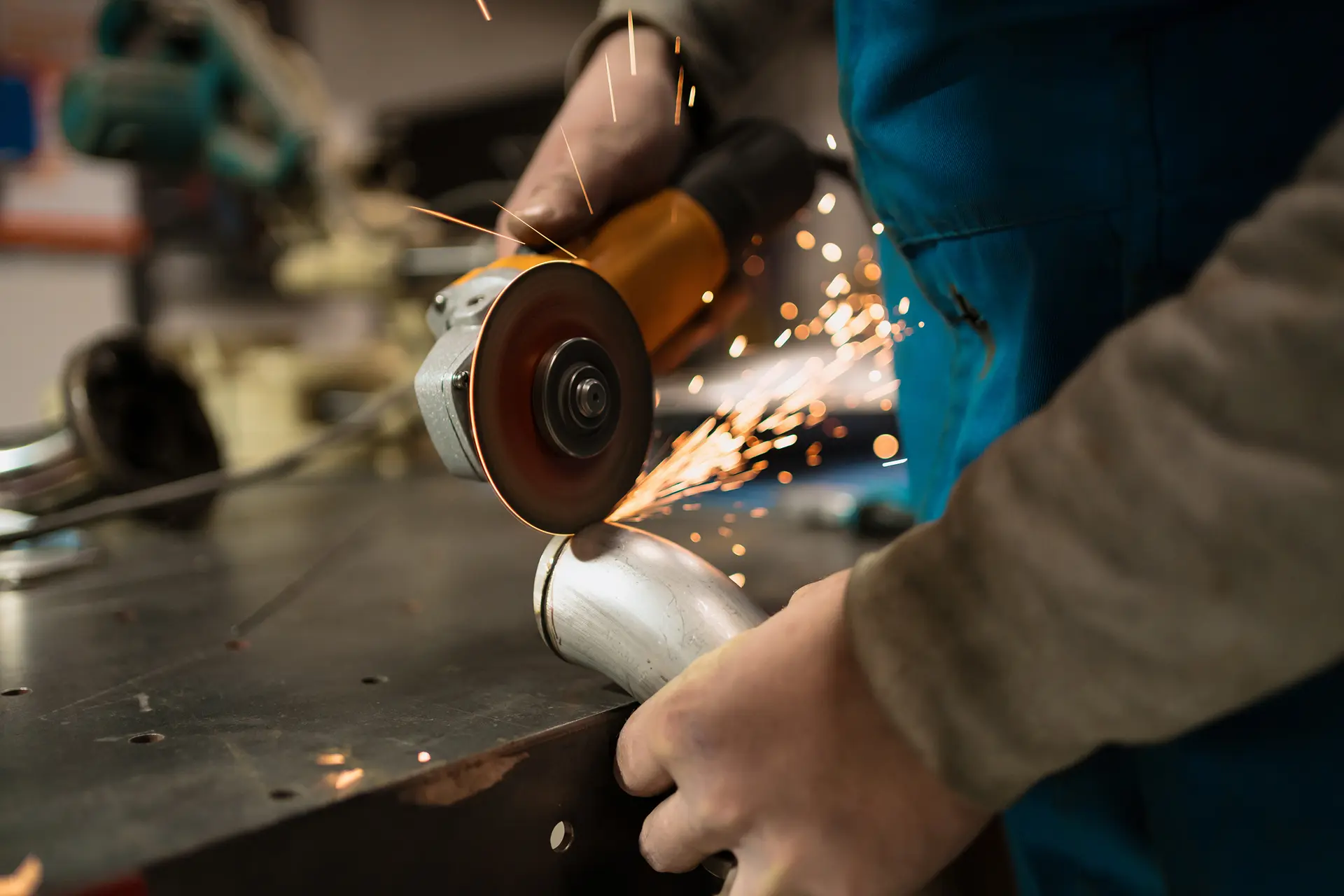
Accuracy is not a single measurement; it is the sum of a dozen small ones. Cutting holds one tolerance, bending adds a little more error, fit-up adds another, and welding moves everything again as the joint cools. A bracket that is 1 mm out on its own becomes a problem when eight of them carry a frame, a conveyor section or a heavy panel. Errors also compound in the wrong direction: two parts each within tolerance can still produce an assembly that will not fit. That is why good shops track the tolerance path from drawing to installation instead of checking only at the end, and why the stack-up is worth writing down before the first cut.
Cutting is where the count starts. A laser leaves a fine kerf and a clean edge; plasma cuts faster on thicker plate but leaves a wider kerf and a rougher edge that has to be dressed before it welds cleanly. Either way the machine works from a nest and a programd offset, so the first part off the table has to be measured before a full run is committed. Plate that is not flat, worn slats or a nozzle that needs changing can move dimensions without anyone noticing for a hundred parts, and the mistake only surfaces at fit-up. Nesting also decides how much a part moves when the sheet's internal stresses are released by cutting; a symmetrical nest keeps that movement predictable.
Bending punishes assumptions. Bend allowance depends on material, thickness, tooling and grain direction, and the press brake holds the angle only as well as the backgauge and the first-piece check. Springback differs between mild steel, stainless and aluminum, and it changes with the tool radius and with the direction of the grain relative to the bend line. Measuring a test bend and adjusting the program takes minutes. Discovering the error after the parts are welded takes a rework job that costs more than the parts did and delays everyone behind it in the schedule. Tolerance on a bent flange is usually tighter than the flat pattern suggests, so form before welding and check before drilling.
Welding moves metal. Heat shrinks the joint as it cools, pulling legs out of square and closing gaps that were correct at tack-up. Sequence matters: balanced passes, tacks placed away from corners, fixtures and strongbacks used where a frame must stay flat, and enough time between passes to let heat spread. On parts that bolt to existing equipment, check the hole pattern against the mating part or a site survey rather than a nominal dimension on the drawing. Then measure the first assembly before the rest are built, and use a simple go/no-go jig for the features that repeat. Accuracy at the bench is what keeps site work short and predictable.

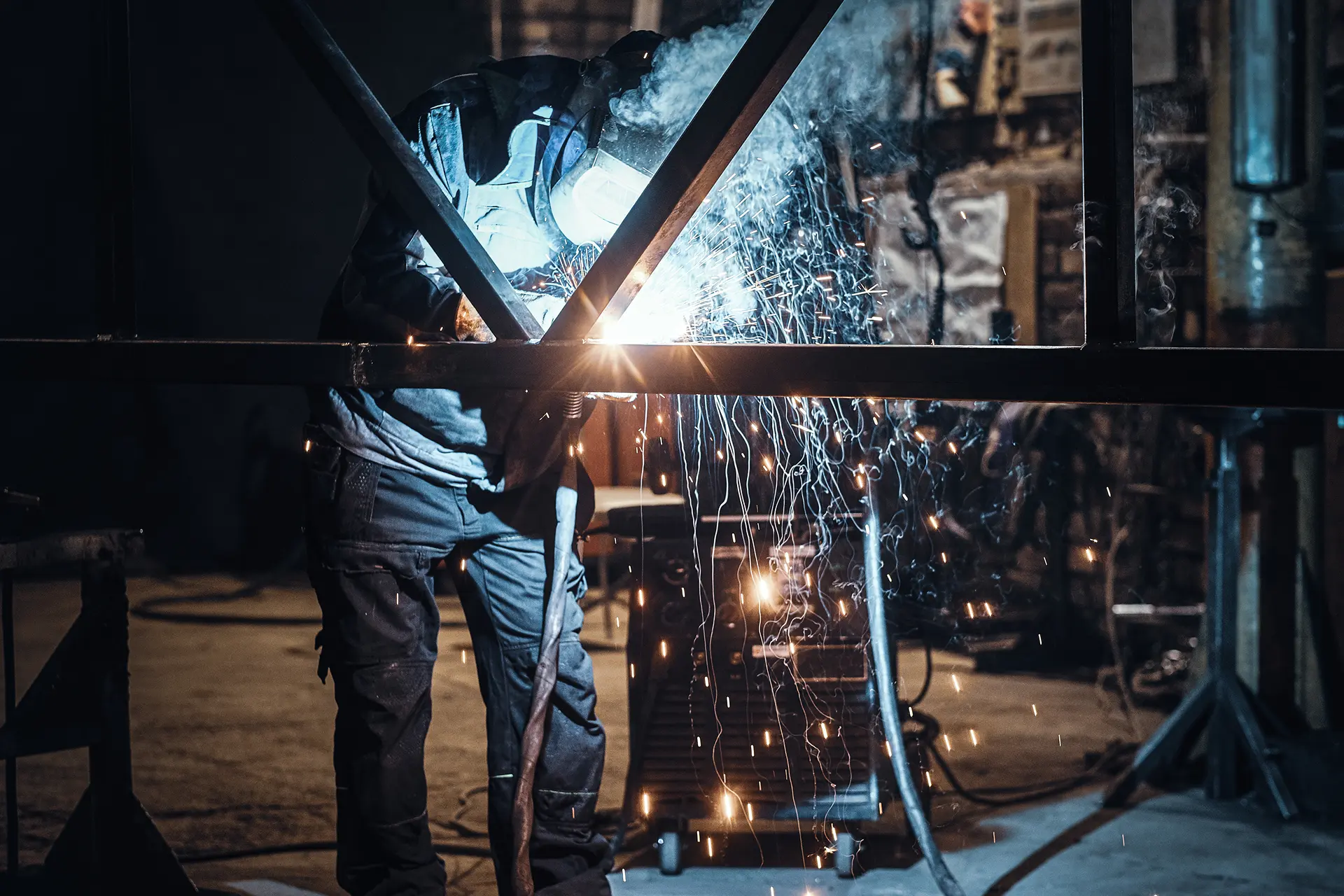
The shop-floor habits that keep output predictable when the schedule tightens: kitting, maintenance, feedback and clean handovers.
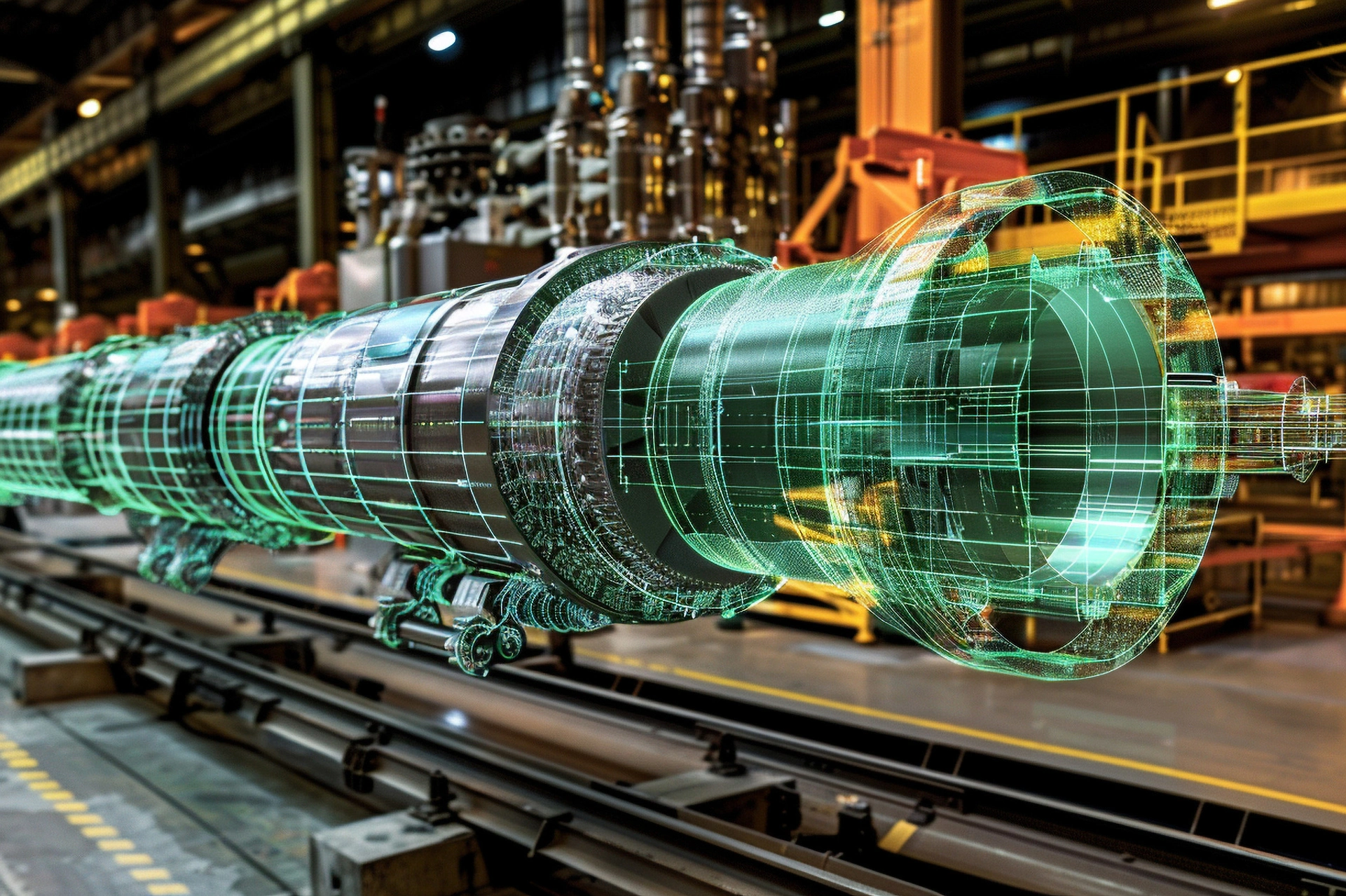
From hand tools and layout marks to CNC cutting and digital models — how the trade changed, and what stayed the same.
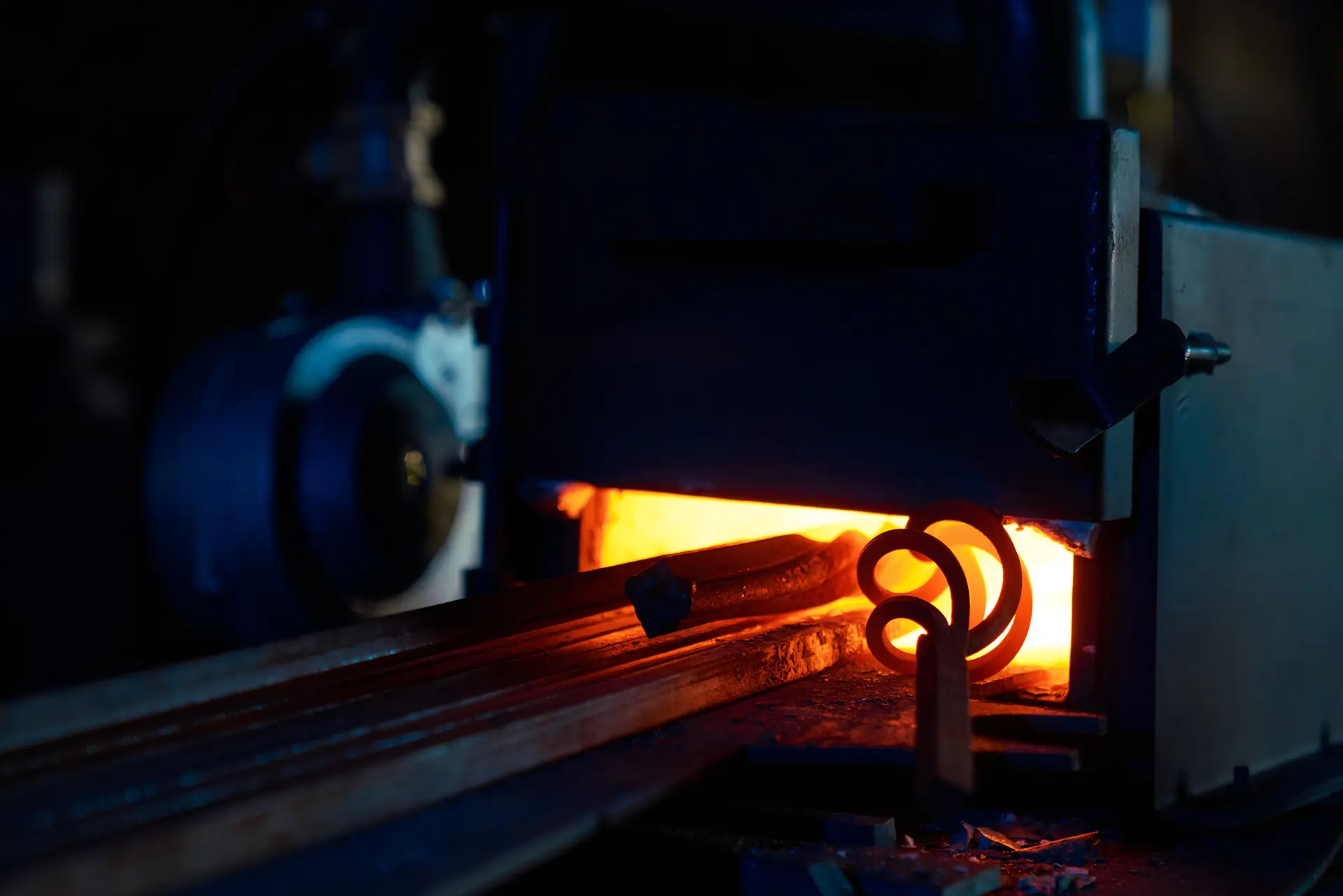
The difference rarely shows in the quote. It shows in the drawing review, the weld prep, the inspection records and the install crew.
Send us your drawings, quantities and delivery date. We will come back with a clear scope, a fixed price and a production slot — no guesswork, no hidden extras.



